Common Reasons a Domain Transfer Gets Delayed After a Sale
Introduction
A sale can be agreed, paid for and marked complete while the domain remains under the seller’s control. This doesn’t necessarily mean there’s a dispute. A domain transfer involves several administrative and security checks, and one unanswered request or mismatched detail can cause a transfer delay.
The process is less like a single transaction and more like a match with several officials, each following different rules. The buyer may be ready to take possession, but the seller, marketplace and both registrars still have roles to play. Knowing where the process can stall makes a transfer delay easier to diagnose—and less likely to cause needless suspicion.
Roles of the seller, buyer and registrar
The seller starts the process. They may need to unlock the domain, obtain an authorization code and confirm that the account’s contact details are current. If the domain is managed by an employee, agency or former business partner, even a willing seller may not have immediate access to the account needed to start the transfer, which can create a transfer delay.
The buyer needs to be ready to receive the domain. That means having an account with the destination registrar and entering the authorization code and other requested information correctly. A typo, an unverified account or a transfer started under the wrong email address can lead to a transfer delay.
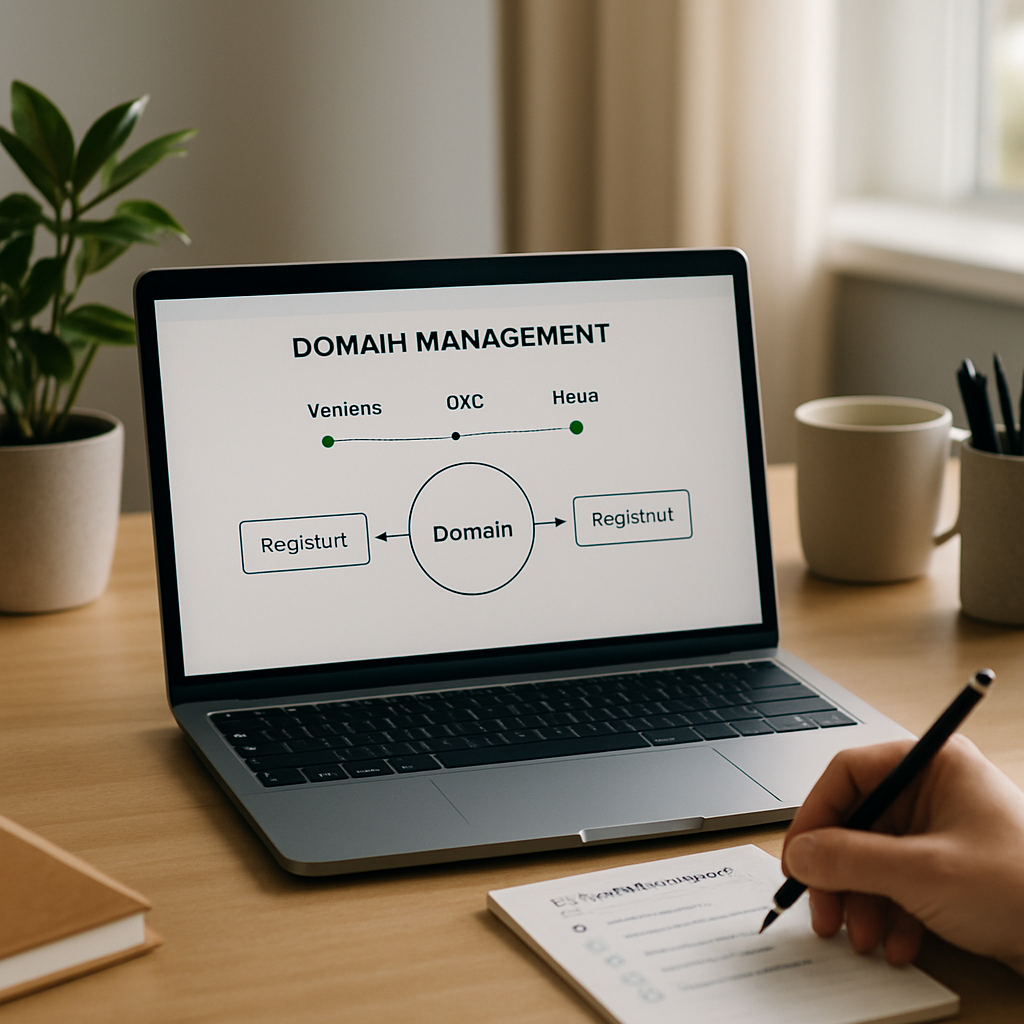
Registrars do more than pass the domain along. A domain name registrar is the service through which a registrant manages a domain. Its security checks and procedures affect how a transfer is handled. The sending and receiving registrars may each require confirmation, so a transfer delay at either end can leave both parties waiting, even after the sale is settled.
Key factors
1. The domain is locked. A domain lock helps prevent unauthorized changes, including transfers. It’s a routine safeguard, not a sign that the seller is backing out. The seller usually needs to remove the lock through the current registrar’s account, and the change may not take effect immediately across all systems. This domain lock can be one source of a transfer delay.
2. The authorization code is missing or invalid. The authorization code, sometimes called an EPP code, helps confirm that the transfer is authorized. It may expire, be regenerated or be copied incorrectly. If the buyer submits an outdated code, the receiving registrar may reject the request, requiring the parties to restart part of the process and extending the transfer delay.
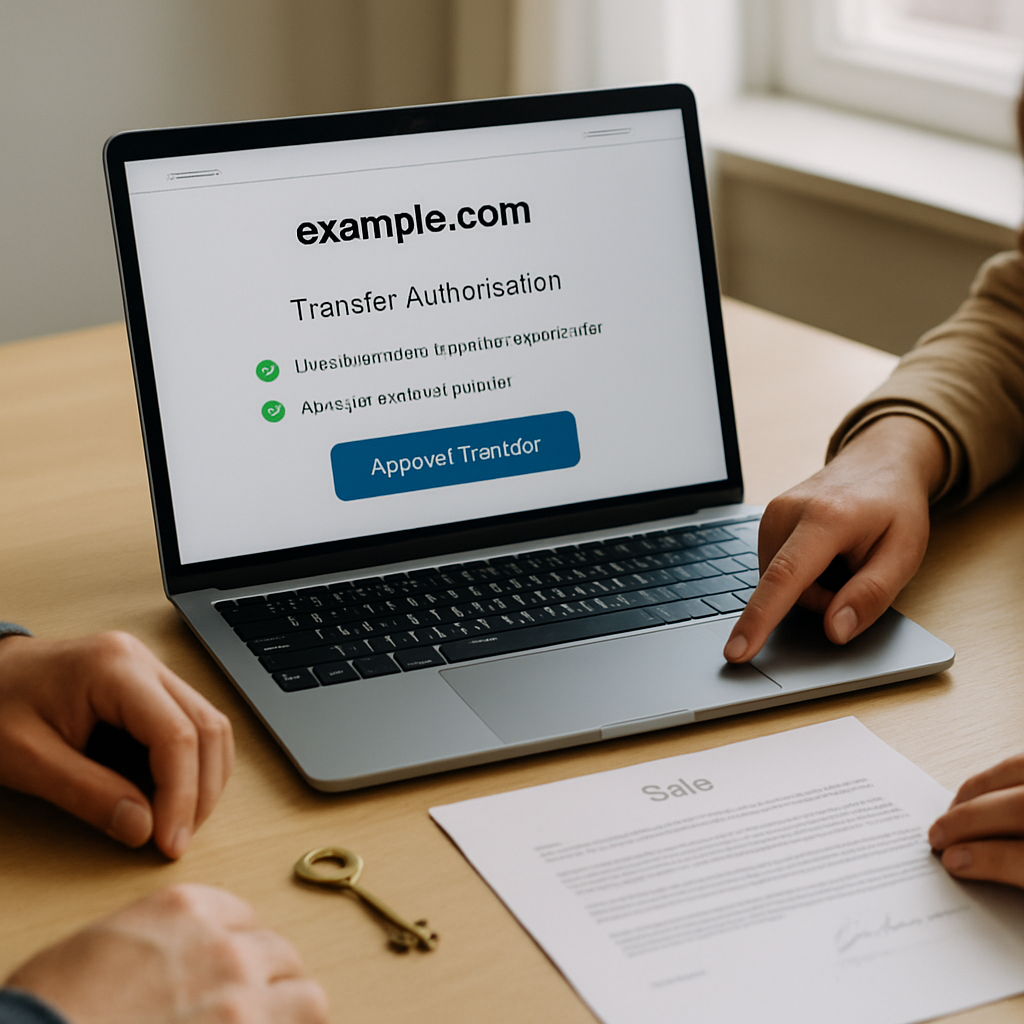
3. Approval is still pending. A transfer may require the registered account holder to approve it by email. The message might be missed, filtered as spam or sent to an address the seller no longer checks. Some registrars also ask the receiving account holder to verify the request. Until all required confirmations are recorded, transfer approval may remain pending, causing a transfer delay. Payment confirmation alone may not move the domain.
4. The sale and transfer are separate events. Sale completion means the transaction has reached the milestone set by the contract or marketplace. It doesn’t automatically change the domain’s registration records. Depending on the arrangement, payment may be held until the transfer or released at a particular stage. Buyers and sellers should confirm what the platform considers complete and who needs to act next, rather than assuming a transfer delay means the sale is incomplete.
5. Eligibility rules and account details need checking. Registrar policy determines which domains can be transferred, what evidence is required and how long a request remains open. Differences in account contact information, a recent change of registrant or a security restriction may trigger extra checks and a transfer delay. Rules vary by registrar and domain ending, so a process that worked for one purchase may not apply to another.
6. Timing and communication create friction. A request might arrive over a weekend or holiday, or one party may be waiting for the other to confirm a step. Each side may assume the other has already acted. A transfer delay can then drag on because nobody knows whether to resend a code, check an inbox or contact support.
Example scenario
Imagine a buyer who has paid for a domain through a marketplace. The seller considers the sale complete, but the domain is still locked at the current registrar. The buyer starts a transfer anyway, and it fails because the authorization code hasn’t been issued. The transaction isn’t necessarily in trouble; the steps are simply out of sequence, creating a transfer delay.
The seller then unlocks the domain and provides a new code, but the approval email goes to an old administrative address. The buyer’s registrar shows the request as pending, while the marketplace shows the payment as complete. Each status tells only part of the story, and neither proves that the other party has failed to act.
The next step is to identify the last confirmed action and assign the next one to a specific person. The seller can check the sending account and contact details; the buyer can verify the destination account and transfer status. Both can ask the relevant registrar whether the request is awaiting approval or has been rejected. A specific question is more useful than repeatedly cancelling and restarting the transfer.
Conclusion
Most post-sale delays come down to a mismatch between expectations and process: the domain is still locked, the code is wrong, an approval is pending or an account detail needs verification. A stalled transfer is not the same as a failed sale. One concerns the movement of the registration; the other concerns the agreement between buyer and seller.
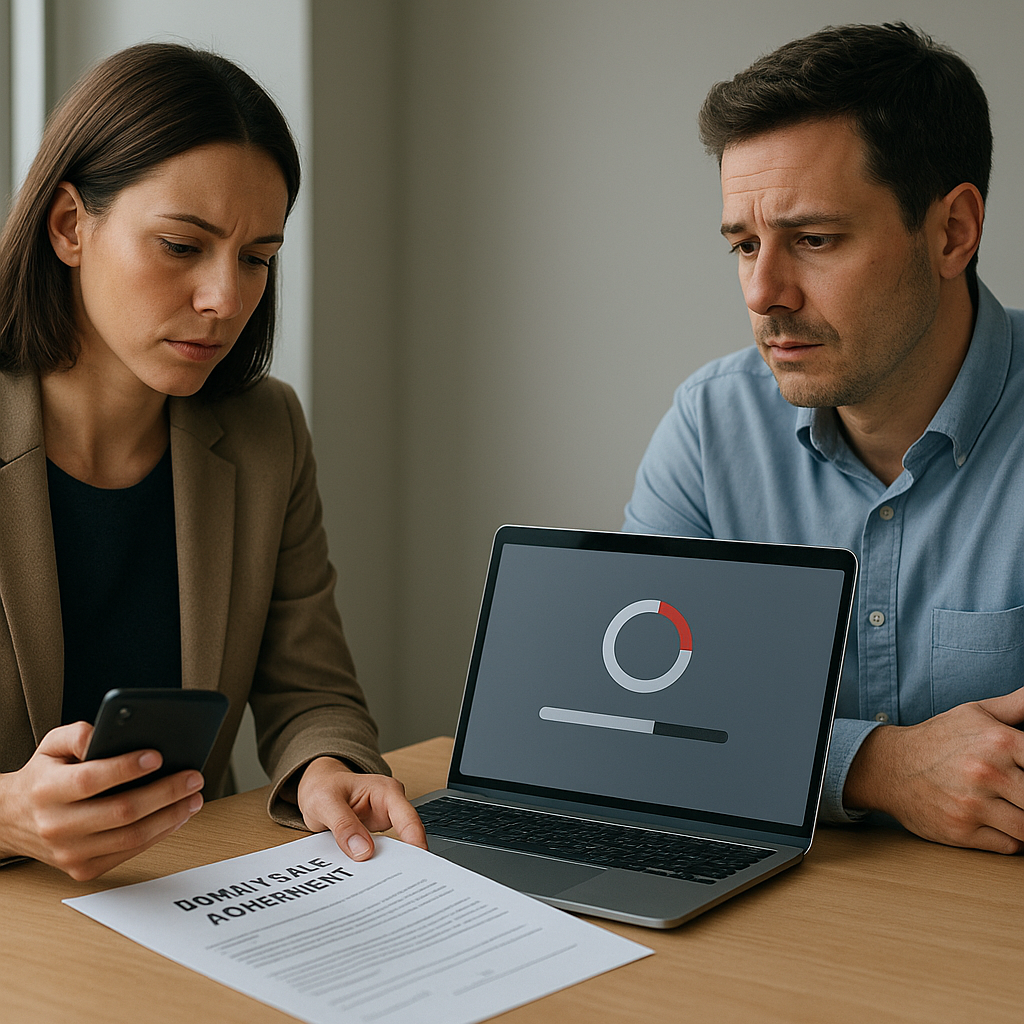
Clear responsibility for each step, up-to-date contact information and a shared understanding of registrar policies can prevent unnecessary delays. If a transfer stalls, check its exact status and resolve the outstanding action instead of treating silence as a verdict. Security checks take time, but it also helps to know who needs to act next.